
The Korean aesthetic-device manufacturer has launched a consumer beauty range in America, bringing its professional brand recognition to a new market.
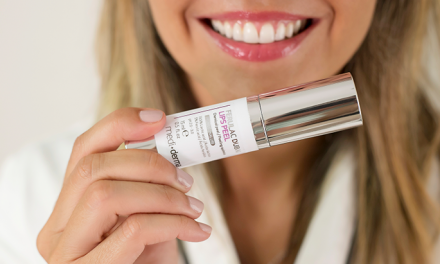
South Korean medical aesthetics manufacturer Classys has introduced its Shurink Home brand in the United States, launching the ZAP PORE SHOT handheld device through consumer shopping channels and signalling ambitions to expand internationally.
The US launch took place on 6 October 2026, and Classys announced it on 15 October. It marks an important commercial shift for a business best known to clinicians for its professional energy-based device portfolio.
Classys’ Shurink and Ultraformer platforms use high-intensity focused ultrasound (HIFU). ZAP PORE SHOT, however, is not a consumer HIFU device. Its PoreSync Wave system combines electroporation, micro-vibration and LED technology. The product targets consumers concerned about visible pores, sebum, firmness, and uneven skin texture.
The company says a five-minute session delivers approximately 37,500 micro-vibrations and 2.7 million targeted pulses. It recommends using the device alongside skincare products from its Shurink Home range.
Classys also cites a four-week study by P&K Skin Research Center. According to the company, using ZAP PORE SHOT with a Toning Booster Shot Ampoule produced a 324% greater improvement in the appearance of pore area than applying the ampoule by hand.
The brand reportedly attracted more than 6,000 pre-orders ahead of its Korean launch and gained visibility on Japan’s Qoo10 shopping platform. Its American sales strategy includes Amazon and TikTok Shop, reflecting a direct-to-consumer approach alongside the company’s established professional channels.
CEO Joon Oh Yoon described the US launch as a step toward bringing Classys’ aesthetic technology experience into everyday consumer routines. The company is considering expansion into Europe, Latin America and the Middle East.
For aesthetic practices, the development highlights the growing overlap between professional devices and home beauty products. Patients may arrive at consultations familiar with clinical technology brand names, yet still need clear guidance on the differences between professional procedures and consumer maintenance.