PRIME explores how practitioners are combining mesotherapy with energy-based technologies to deliver enhanced skin rejuvenation results with minimal downtime, improved precision, and better outcomes
In the ever-evolving field of aesthetics, professionals strive to meet the growing demand for radiant, healthy skin with minimal downtime. Today, aesthetic outcomes thrive on the synergies of multimodal treatments, creating an ideal landscape for non-invasive and minimally invasive solutions. Among the latest advancements driving this trend are mesotherapy and energy-based devices (EBDs), two modalities that are redefining how practitioners approach aesthetic treatments, creating new possibilities for delivering results that not only transform skin but also enhance patient satisfaction.
As the global demand for minimally invasive aesthetic treatments with proven results is steadily increasing, mesotherapy and energy-based treatments are gaining significant traction. Recent research1,2 indicates that the mesotherapy market is projected to grow at a compound annual growth rate (CAGR) of 7-9% through the year 2030, while the energy-based aesthetic device market will grow at a CAGR of 13.86% from 2025 to 2030, thanks in part to the treatments’ accessibility to a wider range of patients.
Mesotherapy is a targeted treatment that delivers specific solutions into the middle layer of the skin to enhance skin hydration and promote cell regeneration. Some practitioners report that mesotherapy is particularly effective for addressing skin pigmentation issues, while offering a greater ability to tailor treatments for other individual skin concerns, as well. EBDs utilise various modalities such as light, heat, ultrasound, and electrical stimulation to achieve aesthetic rejuvenation goals such as skin tightening, and are favoured for their versatility and effectiveness, while offering significant results with less downtime than traditional surgeries.
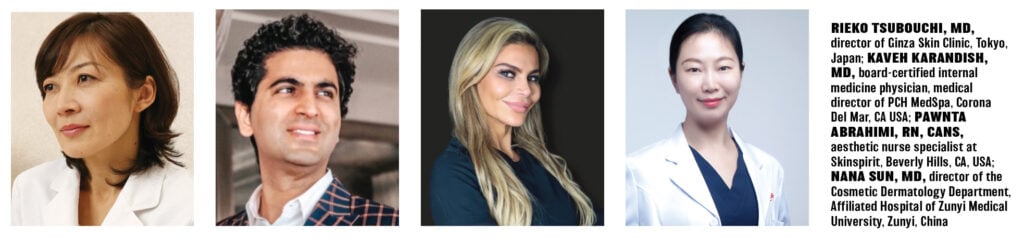
‘Mesotherapy was first developed by the French physician Dr Michel Pistor,’ reported dermatologist Dr Rieko Tsubouchi, director of Ginza Skin Clinic (Tokyo, Japan). ‘His original aim was to treat pain and vascular disorders by injecting medications directly into the mesoderm, or middle layer of skin. At the time, the introduction of an extremely fine needle (30 G) enabled him to deliver small amounts of medication precisely to the targeted area, thereby minimising systemic side effects. Today, advancements in technology have expanded our options for mesotherapy beyond the manual technique and traditional mesotherapy guns, offering a wider range of delivery methods.’ The latest evolutions of needle-free mesotherapy devices utilise electroporation and sonophoresis (ultrasound waves), which are gaining momentum among some aesthetic manufacturers.
‘Mesotherapy targets different biological pathways compared to EBDs, allowing for a synergistic effect that improves both skin tone and texture and amplifies the benefits of both modalities,’ Dr Tsubouchi continued. ‘Mesotherapy is also valuable in helping the skin recover from invasiveness associated with some EBD procedures, promoting faster healing and maintaining skin barrier function. For some patients, mesotherapy serves as a first-line, minimally invasive option when EBDs may be too aggressive or not indicated. I also often recommend mesotherapy to patients who have seen limited improvement with conventional treatments. We also recommend mesotherapy as a stress-free alternative that avoids the significant downtime typically associated with CO₂ fractional lasers, while still achieving effective outcomes. For resistant conditions like melasma or stubborn acne scars, I design a multimodal protocol where mesotherapy is layered strategically with EBDs over a series of sessions.’
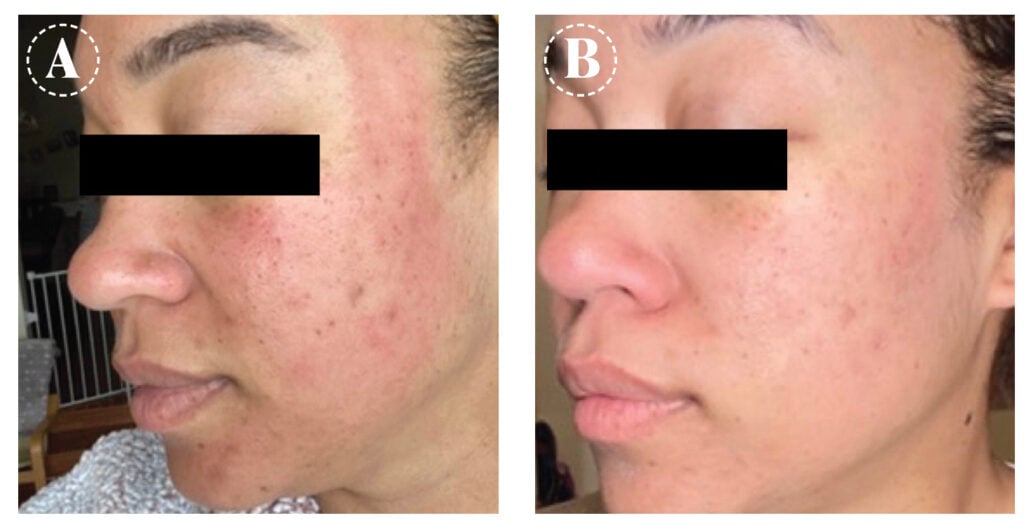
Dr Tsubouchi shared some of her protocols that pair mesotherapy with EBDs, demonstrating the flexibility and ability to tailor her treatments to a variety of patient concerns. ‘For melasma, I often combine pico laser toning with mesotherapy using tranexamic acid and vitamin C, along with a separate cocktail formulation containing hyaluronic acid, vitamins, and amino acids aimed at skin rejuvenation. For chronic post-acne erythema, I utilise IPL devices with wavelengths highly selective for haemoglobin absorption, such as PR530 on the Nordlys™ platform (Candela Medical, Marlborough, USA), combined with mesotherapy via microneedling devices like D’Liv™ (Jeisys Medical, Seoul, South Korea), delivering tranexamic acid and vitamin C. And for age-related concerns such as decreased skin elasticity, fine lines, and enlarged pores, I perform mesotherapy using either crosslinked or non-crosslinked hyaluronic acid (HA), as well as cocktail formulations that combine HA with amino acids, often in conjunction with monopolar radiofrequency (RF) or high-intensity focused ultrasound (HIFU) treatments.’
The combination of mesotherapy and an energy-based device is gaining traction in research, with a pilot study3 demonstrating that the combined effects of bipolar RF with HA mesotherapy treatments yielded greater improvements in skin hydration and firmness compared to RF alone. Additionally, the combination treatment seemed to improve keratinocyte differentiation, as well as increase epidermal thickness and density, indicating a synergistic effect on epidermal homeostasis and barrier function. It was also noted that both treatments were well tolerated and led to improvements in facial appearance.
Targeted treatments
According to board-certified internal medicine physician and minimally invasive aesthetic and cosmetic specialist Kaveh Karandish, MD, mesotherapy can be used to introduce a number of advanced technologies, including peptides, growth factors, polydeoxyribonucleotide (PDRN), skin boosters and hydrating agents to the dermis layer of the skin. ‘Of course, the traditional method is to inject the products superficially into the dermis using a tiny, shorter needle, such as a 31-gauge. We microchannel the skin with a regular microneedling device or laser and then apply the products topically for superficial absorption through the created channels,’ he explained. Often used for skin rejuvenation, a fractional laser treatment is an advanced technique that uses fine laser beams to create microchannels in the skin.
Dr Karandish reported that he uses mesotherapy for a variety of skin concerns, such as to hydrate skin tissue, improve texture and glow, as well as pigmentation and melasma, and combines it with various laser treatment applications. ‘We often use the combination to treat hyperpigmentation and melasma, during which we combine microchanneling and laser biomodulation simultaneously. We first do microchanneling utilising brightening and antioxidant agents to attack the melasma and pigment, while the laser energy works synergistically to improve pigmentation and brighten the skin. The laser stimulates the extracellular matrix and its cells to improve darkness and pigmentation.’ He prefers to commit patients to 3-5 sessions, once every couple of weeks, for the best outcomes.
Energy treatments have become a cornerstone in many modern aesthetic practices, offering a wide range of procedures for skin rejuvenation through tissue remodelling. Pawnta Abrahimi, RN, CANS, aesthetic nurse specialist at Skinspirit (Beverly Hills, CA) explained that energy treatments activate heat shock proteins (HSPs) to stimulate collagen production and tissue remodelling, growth factors that promote collagen production, and nitric oxide (NO) to increase blood flow and tissue oxygenation, for a powerful impact on skin tightening, lifting, and pigmentation issues. She added that mesotherapy can help reduce inflammation, improve skin texture and scalp health and even reduce the appearance of cellulite by breaking down fat cells and improving circulation.
Ms Abrahimi uses advanced meso-needling energy tools like RF or laser therapy to create microscopic channels in the skin. ‘Energy treatments like RF or ultrasound are the secret weapons to tighten, lift, and stimulate collagen from within. Combining this with mesotherapy creates a synergy that tackles everything from fine lines and sagging to pigmentation and dullness all in one treatment,’ she said.
Ms Abrahimi has created a personalised protocol that utilises the power of mesotherapy with energy devices to address the increased need for filler removal due to post-COVID reactions and the emerging trend toward more natural aesthetic results. ‘Using targeted enzymes like hyaluronidase, I carefully dissolve unwanted or misplaced dermal fillers. This process clears the way for natural rejuvenation and prepares the skin for a fresh start,’ she explained. ‘While the filler is dissolving and the patient’s skin heals, it’s crucial to nourish and regenerate the tissue. I recommend a tailored combination of advanced treatments such as PRF or PRP to stimulate natural tissue repair and boost collagen from within.’ Ms Abrahimi follows this with superficial meso-needling (0.03mm) to infuse high-grade vitamins, peptides, and antioxidants to promote hydration and healing, as well as polynucleotides to accelerate tissue regeneration, reduce inflammation, and maintain skin quality during the transition.
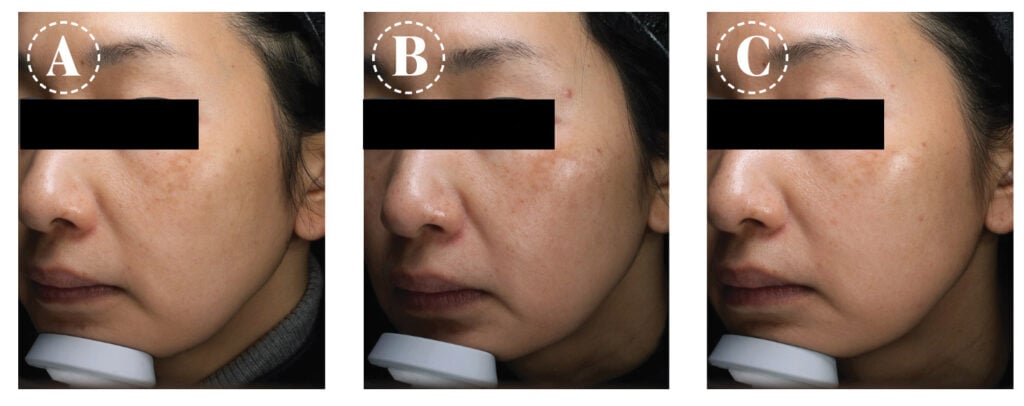
According to Dr Nana Sun, director of the Cosmetic Dermatology Department, Affiliated Hospital of Zunyi Medical University, skin ageing is a complex manifestation driven by multiple factors; therefore, combining mesotherapy’s characteristics with energy-based physical therapies holds significant value in addressing skin ageing. ‘I encounter a significant number of patients with hyperpigmentary disorders,’ Dr Sun reported. ‘Guizhou, located in the Yunnan-Guizhou Plateau region, experiences intense ultraviolet (UV) radiation, leading to prominent photoaging signs such as dull complexion, uneven skin tone, melasma, and varying degrees of pigmentation accompanied by enlarged pores. For this patient population, my clinical experience suggests avoiding aggressive energy-based therapies as a first-line intervention. Instead, I adopt a preconditioning strategy utilising mesotherapy to deliver active ingredients like tranexamic acid and non-crosslinked hyaluronic acid to improve the dermal microenvironment, reduce inflammatory activity, and minimise the adverse effects associated with energy-based devices.’
Dr Sun incorporates a protocol that begins with microneedling and a compound sodium hyaluronate solution administered every 4–6 weeks, with pulsed-dye 59nm laser therapy for vascular targeting between mesotherapy sessions. ‘The frequency of mesotherapy should not be excessive. Depending on the patient’s specific pigmentation severity, adjuvant photo-biomodulation can be incorporated. Post-procedure skin barrier protection is critical: both immediately after treatments and during at-home care.’
What does the future hold?
The future of mesotherapy is poised to revolutionise aesthetic treatments with innovations that prioritise patient comfort, efficiency, and enhanced outcomes. Needle-free delivery systems are at the forefront, offering a painless alternative to traditional injections, which will make mesotherapy accessible to more patients and reduce procedure-related anxiety, while energy device technologies are evolving in ways that can enhance mesotherapy protocols. These updates are expected to offer more targeted and personalised treatments, ensuring improved efficiency and adaptability to diverse skin concerns. Together, these advancements herald a new era where mesotherapy and energy-based technologies converge to deliver cutting-edge, holistic aesthetic solutions.
Written by Cindy J. Papp, contributing editor
References
- Mesotherapy Products Market – By Product Type, By Application, By End User, By Distribution Channel and By Geography – Opportunity Analysis & Industry Forecast, 2025-2031 [Internet]. Industryarc.com. IndustryARC; 2025 [cited 2025 Aug 26]. Available from: https://www.industryarc.com/Report/18963/mesotherapy-products-market
- Zion Market Research. Energy-based Aesthetic Devices Market Size, Share and Forecast 2032 [Internet]. Zion Market Research. 2025 [cited 2025 Aug 26]. Available from: https://www.zionmarketresearch.com/report/energy-based-aesthetic-device-market
- Płatkowska A, Korzekwa S, Łukasik B, Zerbinati N. Combined Bipolar Radiofrequency and Non-Crosslinked Hyaluronic Acid Mesotherapy Protocol to Improve Skin Appearance and Epidermal Barrier Function: A Pilot Study. Pharmaceuticals. 2023; 16(8):1145. https://doi.org/10.3390/ph16081145